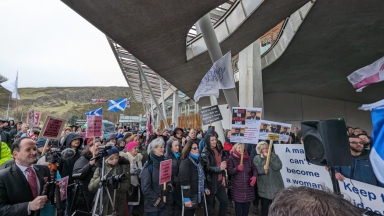
MSPs opposed to Scotland's controversial new hate crime laws have failed in their bid to have them overturned.
A motion lodged by the Scottish Conservatives was defeated after a debate at Holyrood on Wednesday.
Among the motion's supporters was Tory MSP, Russell Findlay, who called the hate crime laws a "clype's charter" and a "disaster".
The laws came into effect on 1 April and criminalise language deemed to 'stir up hatred' on the grounds of age, disability, religion, sexual orientation, transgender identity or certain sex characteristics.
They carry stiff penalties of up to seven years in prison and the possibility of an unlimited fine.
Critics, which include many Christian groups, have warned of the risk to pastors and parents who oppose transgender ideology.
Lois McLatchie Miller, Scottish spokesperson for Christian advocacy group ADF UK, said, "It's obvious that the 'hate speech ban' is completely unworkable according to democratic principles and must be repealed.
"Scotland was once the home of the Enlightenment, but these are dark days indeed for anyone wishing to challenge the dominant orthodoxies of our day – either through edgy comedy, religious conviction, or upholding truth on biological facts."
Police Scotland received more than 7,000 reports of 'hate crimes' in the first week after the laws came into effect but said that only 3.8% of the complaints were authentic.
The police have come in for further criticism after recently announcing that they would investigate every hate crime complaint but not all low level crimes.