Before I became a priest I was a writer and since I was a boy, loved stories. I sometimes say that I have met some of best friends in novels. I have a strong sense that we are the stories we tell. Memory is unstable. Stories give us a sense of an ending.
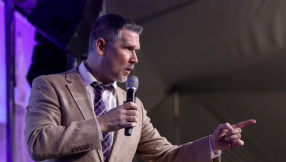
Some time I ago I got to hear an American pastor doing an evening talk to a sparse group. As his message unfolded it was clear that was going to be a big one for me. He explained that we cannot even call ourselves a pastor or a priest if we do not take the trouble to learn the stories of our congregation's lives. No amount of courses or preaching can take the place of honouring them by listening to their story. Only then can we truly pray with them. Only then do we know the minor bravery and stumbling points of their lives. If we hear the stories we get to know that for some just coming on a Sunday is an act of heroism.
I came away that evening deeply convicted. I was a curate at St Stephen's Ealing and I set up a group called daytimers. It was for people who were at home during the day and attracted many people who had been going to church for years. The session started with a person telling us their life story. We gave 20 minutes and each week we heard different tales.
Oh and they were astounding. We heard stories of tragedy and delight. And what was interesting was that these people who had 'known' each other for decades had really only known the surface.
The storytelling bound us together and that group continues. I liked it because by telling stories we honoured the lives people had lived and affirmed that they had value. So often people simply aren't interested in old people's stories – but we were. In fact some of the stories were real eye-openers – especially the lovely prim and proper lady who had been a dancer at the Raymond Revue Bar in the 60s. You couldn't make it up.
I get the honour of telling people's stories at their funerals. Many of these are moving and astounding. But I don't want to wait till people have died to tell their stories.
I want to know now and celebrate now. In that way we honour God who has each and every precious life in the palm of his hands.
And so we move to memory café - our weekly offering to our community. It is a place where people are forgetting their stories – slowly and inexorably as Alzheimer's takes hold. We've been listening to people to people life tales and recording them, so that when they forget we have them still.
We plan an archive – and the stories so far are simply thrilling. But most of all we want to say that stories matter, lives count and what has been is not wasted, not a single bit of it.
When Jesus is on the Cross a common thief tries a last throw of the dice. He doesn't deserve any help. But he's facing a grim time. The one thing he has is insight that the person dying next to him is the God of love and mercy. And he asks – "remember me." He doesn't say get me out of this mess.
It is as though he wants Jesus to acknowledge his significance – that it mattered that he lived and died. I think he wanted to know that his story mattered. It did. And so does yours.
Steve Morris is the parish priest of St Cuthbert's North Wembley. Before being a priest he was a writer and ran a brand agency. In the 1980s he tried to become a pop star. Follow him on Twitter @SteveMorris214