
A youth drugs crisis now overshadows a corner of north-east India where less than a century ago people were still living in huts and worshipping idols.
The warning, from Bishop Stephen Rotluanga of Aizawl, close to the border with Burma and Bangladesh, comes amid statistics showing that up to one in three young people are affected by drug abuse.
Other figures quoted by the bishop state that in the capital, also named Aizawl, there are now 20 drug rehabilitation centres.
In an interview with Aid to the Church in Need, the charity for persecuted and other suffering Christians, Bishop Rotluanga blamed the crisis on marriage breakdown, the impact of the global media and a decline in traditional values.
He spoke of the "brittle" development of society, which is now unrecognisable compared to the situation before the First World War when people were still animist in their beliefs and lived in bamboo huts.
The region is very different from other parts of north-east India, which remain very deprived and under-developed and where far from grappling with youth drug problems, people are struggling with extreme poverty.
Bishop Rotluanga said: "In my part of India, young people, who can afford to, take painkillers, cannabis, cheap types of adhesive which they inhale, cough syrup - anything that can alter their state of mind.
"In some instances, due to substance abuse and misuse of needles, doctors dealing with the problem have to amputate limbs etc."
Key to the problem, he said, is high unemployment which creates huge frustration in a region which has the second highest literacy levels across India, ranking only behind Kerala in the south-west.
The bishop said the economy is now stagnant, a far cry from the fast development that took place early last century, partly thanks to Protestant missionaries who entered the region during the British rule of India, ending in 1947.
Stating that the local economy was more than 90 percent dependant on central government, he said: "Although we have no destitution, we have very few sources of income. There is no industry."
He added: "Given all these problems, people want to get out of the area but don't have the money to do so. Instead, they turn to drugs."
The bishop said that people's religious values were very weak despite the fact that Mizo Ram, one of the two regions that make up the diocese, is nearly 100 percent Christian.
More than six years into the post, Bishop Rotluanga said the priority was social action to deter young people away from drug abuse and vocational training to improve their job prospects.
He said deepening the people's religious faith was also a vital means of confronting drugs and other problems and he went on to thank Aid to the Church in Need for its help over many years.
The charity helps with a number of programmes including new centres for missionary work by catechists. A new church and presbytery were recently built, with help from ACN.
With 25 parishes, 50 priests and more than 170 religious, the bishop said the Aizawl diocese was growing but was still very small with only 30,000 faithful in a population of more than four million.
India, with its 23 million Christians (of which 18 million are Catholics), is a priority country for Aid to the Church in Need. In 2007, the charity paid out more than £3 million in aid to India.
John Pontifex is Head of Press and Information at Aid to the Church in Need, a Catholic charity committed to supporting persecuted Christians around the world. www.acnuk.org
60% OFF
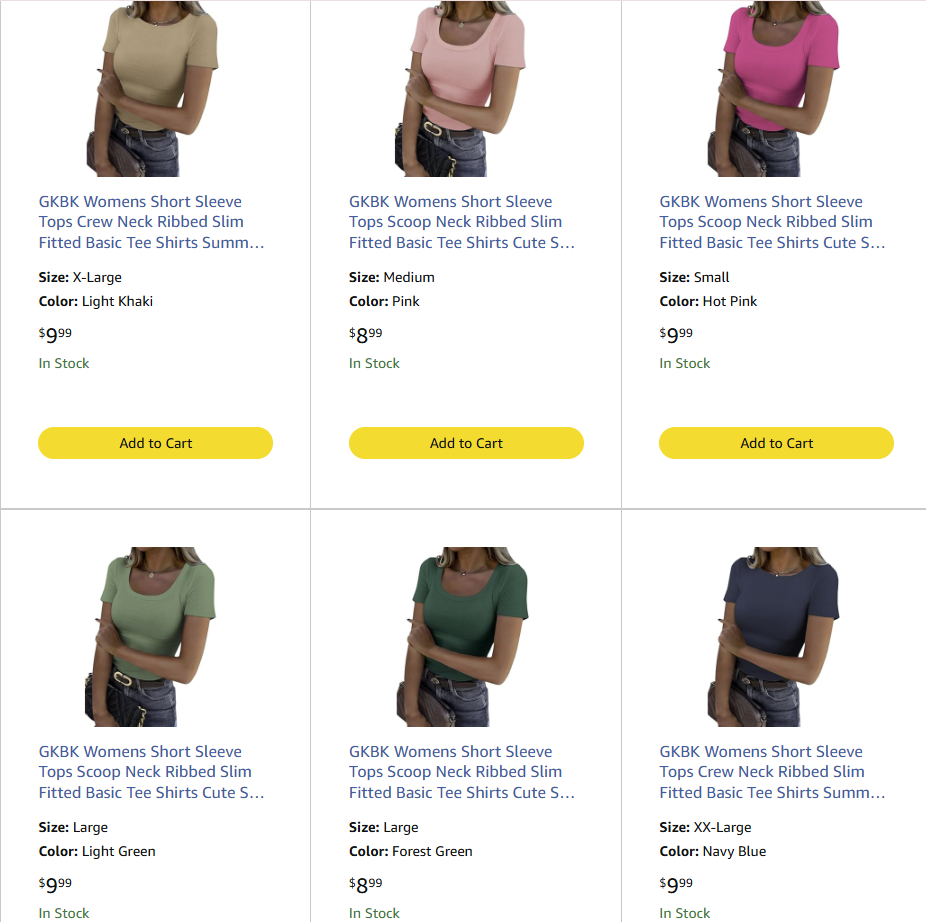
GKBK Women’s Ribbed Short Sleeve Scoop Neck Slim Fit Tee – Stretchy Basic Summer Top 2026 Trendy Outfit Essential
$4 $9.99
75% OFF

Bluetooth Smart Scale for Body Weight - 13 Health Metrics with BMI and Muscle Mass (Black)
$19.99 $79.96
40% OFF

AZDOME GS63Pro 4K Dash Cam: 40% Off - Ultimate Driving Companion
$47.99 $79.99
60% OFF

Ekouaer Women's Satin Silky Pajama Set - Short Sleeve Pullover Top & Wide-Leg Pants
$13.99 $34.99
40% OFF

ANCHEER 38'' Toddler Trampoline - 150lb Capacity Foldable Mini Trampoline with Adjustable Handle
$47.99 $79.99
55% OFF

Ekouaer 3-Piece Maternity & Nursing Pajamas Set - Short Sleeve Top with Shorts and Pants
$14.99 $32.99
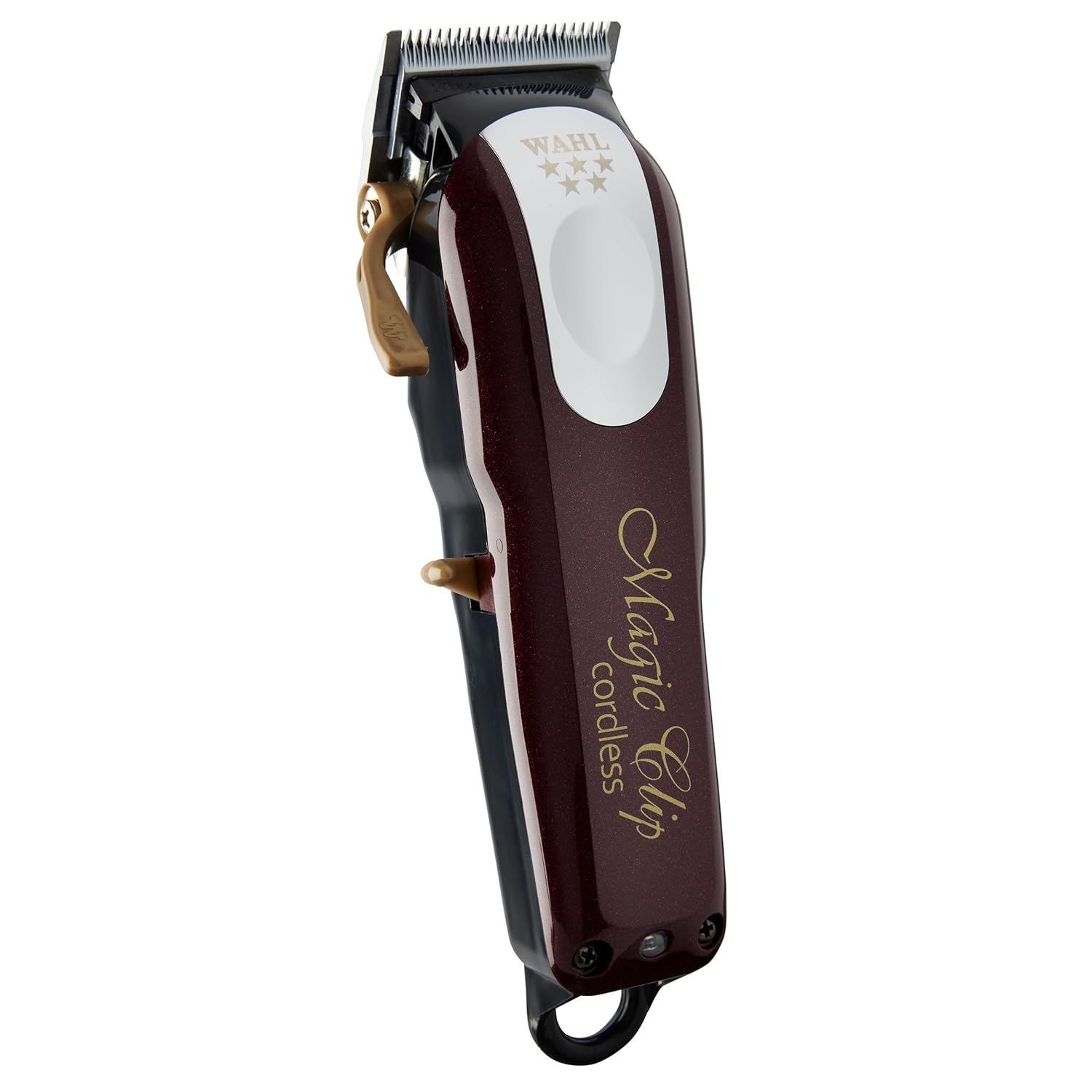
Wahl Professional 5 Star Series Magic Clip Cordless Clipper - Stagger-Tooth Blade Hair Trimmer
$0 $139.99
10% OFF
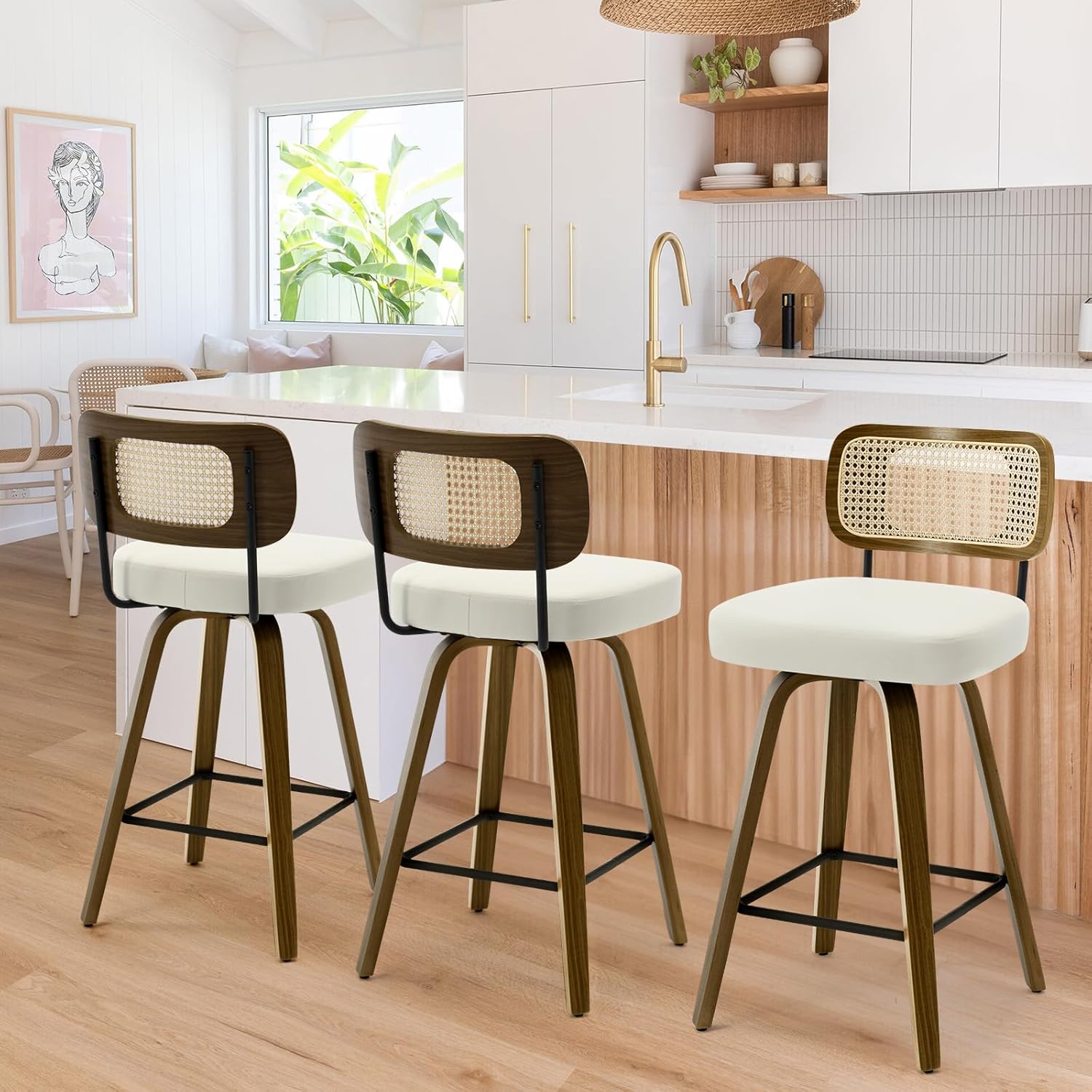
Bekrvio Swivel Counter Height Bar Stools Set of 3 - 26" Mid Century Modern Rattan Back Stools
$223.55 $248.39

Gardner Pet 43" Heavy Duty Dog Crate with Wheels - Indestructible Folding Metal Cage (Black)
$0 $149.99
12% OFF

Elegant Mid-Century Modern Bar Stools - Set of 4
$395.99 $449.99




-

Understanding the reasons for the conviction of Päivi Räsänen
-

Report warns of continued anti-Christian hostility across Europe during April
-
Christians petition for protection of pastors in Colombia following murders
-

Pastor Greg Locke's 20-year-old son dies from drug overdose
-

Who was Mother Julian of Norwich and why is she important?
-

Young Christians engaging with Bible more, survey finds
Most Popular
News

Churches urged to help address UK fostering shortage
Christian charities Home for Good and Safe Families UK are calling on churches across Britain to play a greater role in supporting vulnerable children.

Christians urge UN to keep human rights spotlight on Eritrea
Eritrea is sometimes called the "North Korea of Africa".

Many churches unconcerned about food ethics, survey suggests
A survey conducted on behalf of environmental charity Green Christian has suggested that only a minority of churches take into account ethical concerns when serving food and drink.
Calls for investigation into disappearance of Protestant missionary in southern Mexico
The 79-year-old Protestant missionary has been missing for more than six weeks.
GKBK Women’s Ribbed Short Sleeve Scoop Neck Slim Fit Tee – Stretchy Basic Summer Top 2026 Trendy Outfit Essential
$4
Bluetooth Smart Scale for Body Weight - 13 Health Metrics with BMI and Muscle Mass (Black)
$19.99
AZDOME GS63Pro 4K Dash Cam: 40% Off - Ultimate Driving Companion
$47.99
Ekouaer Women's Satin Silky Pajama Set - Short Sleeve Pullover Top & Wide-Leg Pants
$13.99
ANCHEER 38'' Toddler Trampoline - 150lb Capacity Foldable Mini Trampoline with Adjustable Handle
$47.99
Ekouaer 3-Piece Maternity & Nursing Pajamas Set - Short Sleeve Top with Shorts and Pants
$14.99
Wahl Professional 5 Star Series Magic Clip Cordless Clipper - Stagger-Tooth Blade Hair Trimmer
$0
Bekrvio Swivel Counter Height Bar Stools Set of 3 - 26" Mid Century Modern Rattan Back Stools
$223.55
Gardner Pet 43" Heavy Duty Dog Crate with Wheels - Indestructible Folding Metal Cage (Black)
$0
Elegant Mid-Century Modern Bar Stools - Set of 4
$395.99