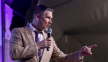
Over 600 pastors and church leaders were presented with a challenging picture of what the future may hold when Exponential Australia used their inaugural national conference to release the findings of a study commissioned from NCLS Research.
NCLS Research, which conducts the longest-running and most extensive survey of local churches in the world, said that the data revealed that the only way for churches to survive and to grow was to respond to a changing world by finding a way to engage.
"The news is not good for churches whose response to major social change is to double down on what hasn't been working for decades," said Dr Ruth Powell, director of NCLS Research, according to Eternity News. "Currently, seven in 10 local churches are declining, and there are signs that churches are turning inward."
The Exponential Conference spent two days focussing on the theme of "igniting a culture of multiplication", with Tim O'Neill, director of Exponential Australia, recalling the moment he was confronted by the "shocking news" of church decline contained in the research.
"While this period included the pandemic, it still sent me reeling," he said. "The number of churches experiencing growth had dropped, and the number of churches in decline had increased."
Pastor O'Neill said it was clear that the church needed to change its approach, and be willing to put aside conventional wisdom and familiar practices.
"The times are more than changing ... they have changed. And that means that we must be open to change too. If the church in our nation is not only to survive but thrive, we must seek out different ways of doing church and planting."
However, Dr Powell said that the changing landscape also brought new opportunities, with the data revealing that more than half of Australians are open to spiritual experiences, and over a third said they would accept an invitation to attend church.
"I have good news for anyone who wants to be part of God's new thing," she said. "Be encouraged that Australians remain spiritually aware and open."
To support new churches in finding innovative ways to keep growing and engaging, Exponential and NCLS Research have partnered in a new initiative. The New Churches Project will provide a database of under-the-radar churches, offering opportunities for collaboration and support.
Saying that he is convinced that Australia "needs more, not less, healthy churches that will take the good news and love of Jesus to people who don't know him", Pastor O'Neill called on the church to rise to the challenge found in the teachings of Jesus and the "explosive church planting" in the book of Acts.
"Innovative church planting will require empowering leadership from local, denominational and network leaders. It has to be a team effort," Dr Powell said, adding, "I love the church, and I have hope."