Although churches are allowed to open in England and Wales, many Christians are today marking Ash Wednesday from home.
Churches are allowed to open with social distancing and other restrictions but many have voluntarily closed because of the Covid-19 pandemic.
The Church of England is helping those staying at home to be as much a part of the day by producing a simple liturgy for people to use at home.
It will also be broadcasting a short Ash Wednesday service online at 11am via the Church of England website, Facebook page and YouTube channel.
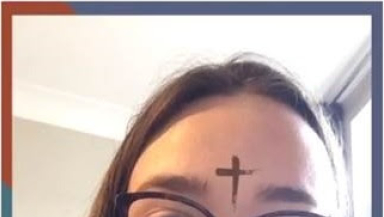
And, for the first time, it has created a special Instagram filter enabling people to be marked with an ash cross virtually, while another filter generates suggested Lent resolutions.
Ash Wednesday is a custom dating back centuries. Christians from many different traditions usually mark it by attending Ash Wednesday services where they receive the sign of the cross on their forehead using ash made from burnt palm branches.
The ash cross is intended as a symbol of penitence at the start of Lent, the 40-day period before Easter when Christians traditionally engage in a period of self-denial and reflection, and give up a favourite item like coffee or chocolate.