
A leading Catholic clergyman has said that Britain has increasingly abandoned spiritual and moral principles in favour of secularism and warned that such a change had damaged social cohesion.
The Most Rev Vincent Nichols, Archbishop of Birmingham, who is also a contender to replace Cardinal Cormac Murphy-O’Connor, said that faith had become only a private matter while the nation continues to define itself by secular and material standards, reports The Telegraph.
The Archbishop claimed that social values such as compassion, respect and tolerance would be lost if disconnected from their roots in Christian teaching. He also argued that schools should be allowed to teach right and wrong and claims that critics do not realise the importance of the contribution of faith schools.
Writing in a book about the rise of secularism, the Archbishop said, "Our politicians seem to live in a different world, a world that is purely secular and material, a world that does not permit a mature consideration of the key role of religious belief.
"Behind this is the assertion that religious influences are bad for you, and that ignorance of religion is better than exposure to it and the study of it.
"Why is this so? It lies in the distorted and truncated notion of reason which shapes our society and, to a large extent, the education it offers.
"Quite simply we have sold our soul to a positivistic understanding of reason. By this is meant that knowledge and reasoning are limited to what can be positively seen, measured and physically tested through hypothesis, experiment and observation.
"What positive knowledge and reasoning cannot do is provide anything that is normative in value or moral judgement. They can discover, magnificently, what can be done. They cannot, properly, provide and answer to the question, 'But should it be done?' "Moral reasoning overcomes the.. 'individualism' of a positivist culture.
"A society which limits itself - and its education - to a positivistic understanding of reason will find itself unable to determine shared moral principles and values. Such a society will lack cohesion."
He added, "How ironic it is that in our public culture a cynicism about religious faith has taken hold. Have we, quite simply, lost our nerve when it comes to the reality of religious belief?
"We have lost our nerve because, as a society, we have taken the road of relegating all these matters to the sphere of the private and of seeking to build our society, our cohesiveness, on the secular/material instead.
"Yet there will never be a truly cohesive society that does not take seriously the spiritual quest of its people... The rigorously secular, liberal project of community cohesion is mistaken in its fundamental view of the human person and simply will not work."
The book is titled “The Nation That God Forgot” and was co-edited by Edward Leigh, a Conservative MP. Leigh claimed that Britain was the “most extreme” case of secularisation in West, reports the Telegraph.
52% OFF
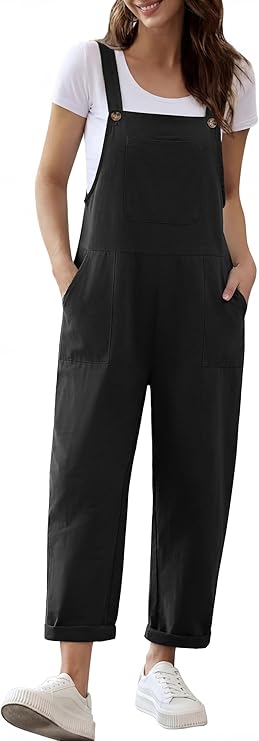
Ekouaer Baggy Bib Overalls for Women - Loose Fit Jumpsuit with Adjustable Straps & 5 Pockets
$12 $24.99
60% OFF

Ekouaer Women's Satin Silky Pajama Set - Short Sleeve Pullover Top & Wide-Leg Pants
$13.99 $34.99
20% OFF
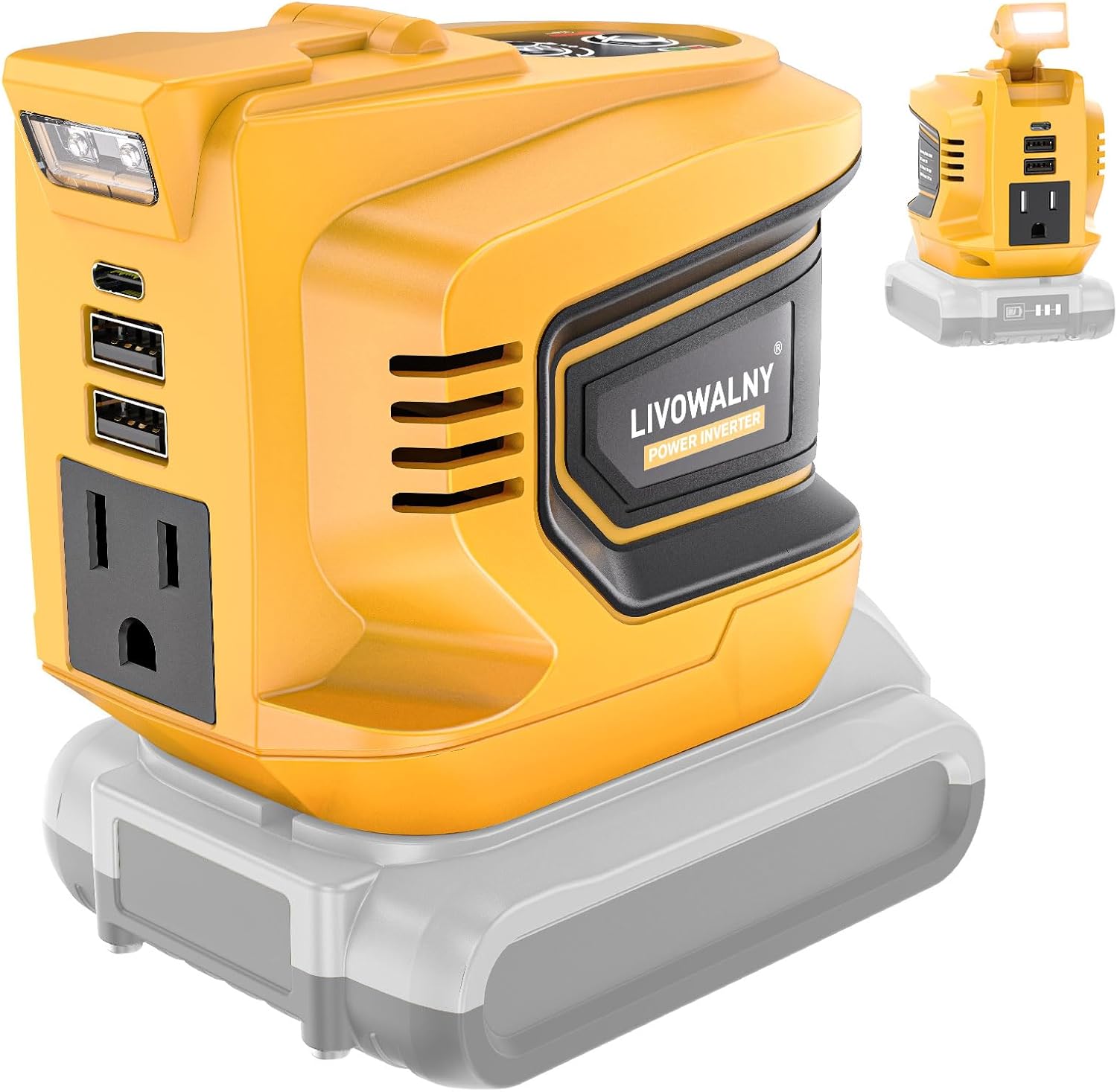
LIVOWALNY 200W Power Inverter for DeWALT 20V Battery - Portable 110V AC Outlet & USB-C Station
$23.89 $29.99
40% OFF

ANCHEER 38'' Toddler Trampoline - 150lb Capacity Foldable Mini Trampoline with Adjustable Handle
$47.99 $79.99
23% OFF
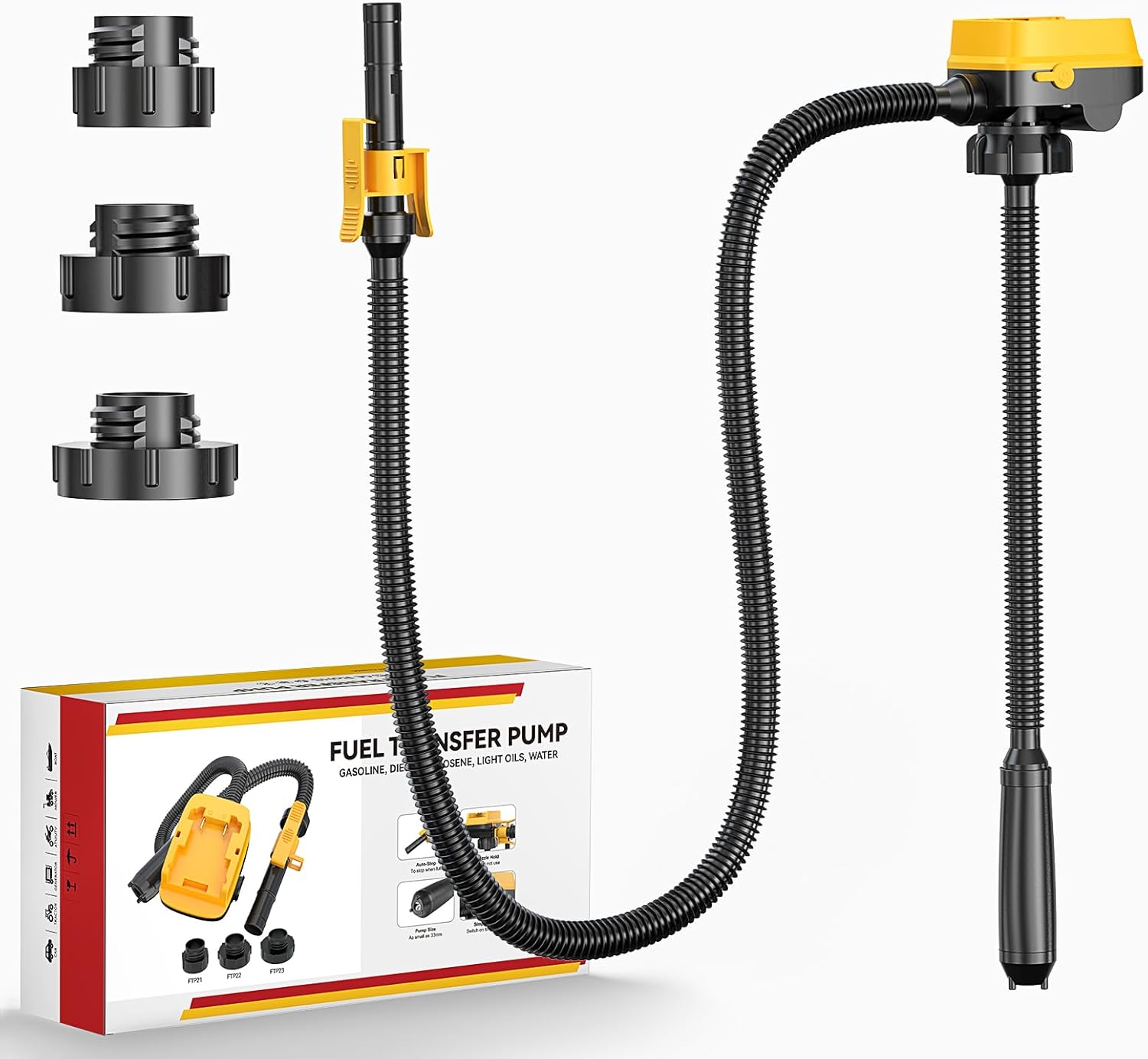
Cordless Fuel Transfer Pump - 3.2 GPM Auto-Stop Pump for DeWalt 20V & Milwaukee 18V
$61.99 $79.99
55% OFF

Ekouaer 3-Piece Maternity & Nursing Pajamas Set - Short Sleeve Top with Shorts and Pants
$14.99 $32.99
20% OFF
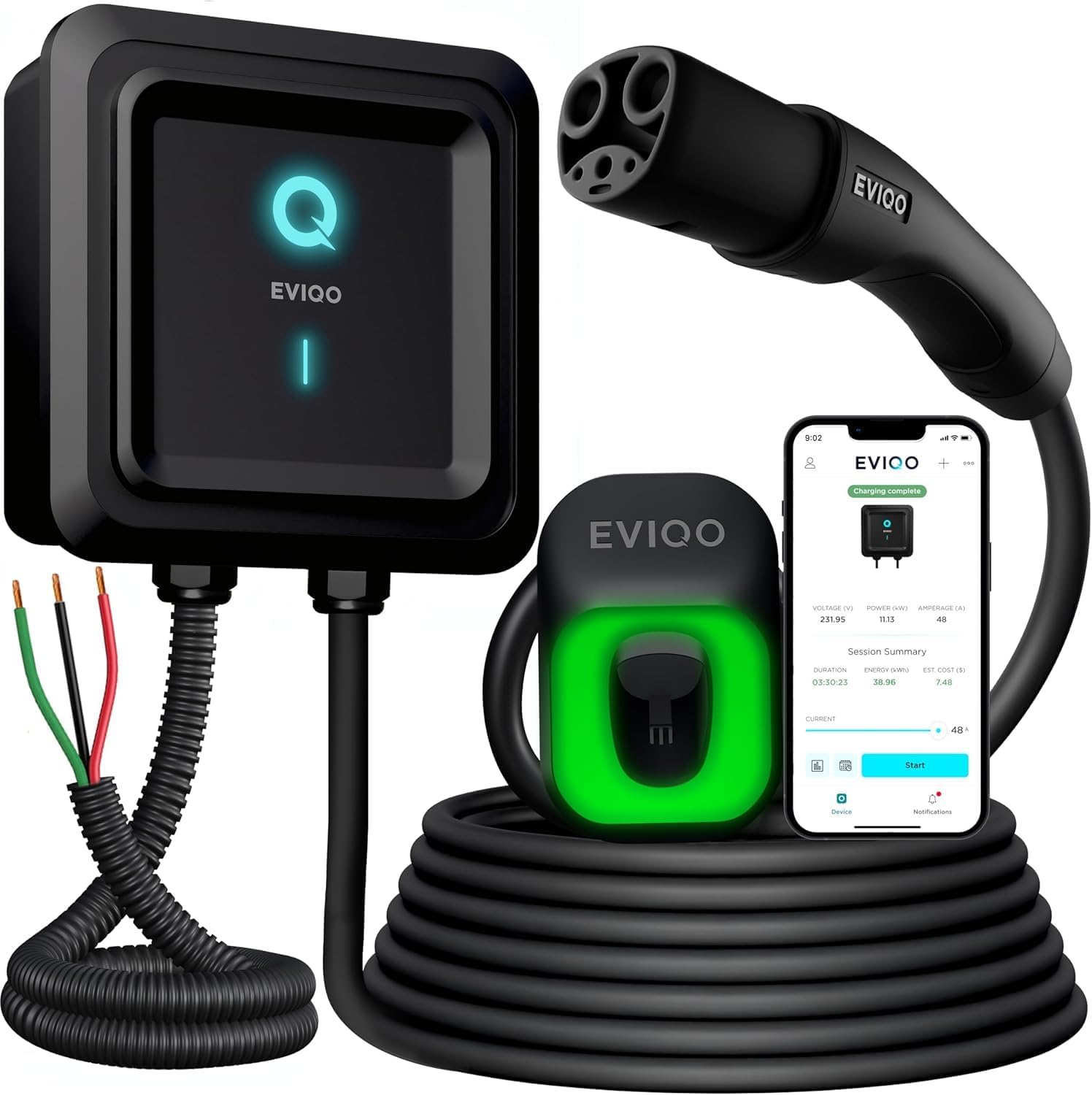
EVIQO 48 Amp NACS Level 2 EV Charger - Hardwired Smart WiFi Wall Charger for Tesla
$368.51 $458.55
50% OFF

Artificial Flowers for Outdoor - 50% Off
$14.99 $29.99
50% OFF

SIMEIRA 14K Gold Plated Detangling Brush - Ideal Gift
$7.99 $15.98
45% OFF

Battery Operated Wall Sconce Set of 2 - Versatile and Stylish Lighting
$30.24 $54.99
-

Kemi Badenoch: End investigations into Darlington nurses and Jennifer Melle
-

Newsboys launch legal action against MercyMe, concert promoters and media
-

Nick Vujicic responds to rumours he is dead by confirming he is alive and well
-
When the gospel is criminalised, who really suffers the consequences?
News
-

Coptic Christian YouTuber sentenced to five years in Egypt over faith-based online videos
-

More details of Steve Maile arrest emerge
-

Enoch Burke saga continues as hearing collapses
-

Lib Dems admit unlawful discrimination against Christian parliamentary candidate
-
Missing pages from ancient Bible manuscript recovered
-
When the gospel is criminalised, who really suffers the consequences?
Most Popular
News

The Protestant faith is losing people in the UK
The UK, Sweden and Germany are among the countries with the largest net losses of Protestants, according to a new study into religious switching.

Pro-life campaign launched for Welsh Parliament elections
Candidates are being asked to make their positions on abortion and assisted suicide clear.

Thousands expected as ‘Jesus March’ returns to London for Pentecost
Thousands of Christians from across the UK are set to gather in central London this Pentecost weekend for a large-scale public event celebrating the Christian faith.

US churchgoers report stronger faith and renewed commitment five years after Covid pandemic
A major new survey of over 24,000 Christian churchgoers in the US suggests many believe their faith and congregational life have strengthened in the years since the Covid-19 pandemic.
Ekouaer Baggy Bib Overalls for Women - Loose Fit Jumpsuit with Adjustable Straps & 5 Pockets
$12
Ekouaer Women's Satin Silky Pajama Set - Short Sleeve Pullover Top & Wide-Leg Pants
$13.99
LIVOWALNY 200W Power Inverter for DeWALT 20V Battery - Portable 110V AC Outlet & USB-C Station
$23.89
ANCHEER 38'' Toddler Trampoline - 150lb Capacity Foldable Mini Trampoline with Adjustable Handle
$47.99
Cordless Fuel Transfer Pump - 3.2 GPM Auto-Stop Pump for DeWalt 20V & Milwaukee 18V
$61.99
Ekouaer 3-Piece Maternity & Nursing Pajamas Set - Short Sleeve Top with Shorts and Pants
$14.99
EVIQO 48 Amp NACS Level 2 EV Charger - Hardwired Smart WiFi Wall Charger for Tesla
$368.51
Artificial Flowers for Outdoor - 50% Off
$14.99
SIMEIRA 14K Gold Plated Detangling Brush - Ideal Gift
$7.99
Battery Operated Wall Sconce Set of 2 - Versatile and Stylish Lighting
$30.24