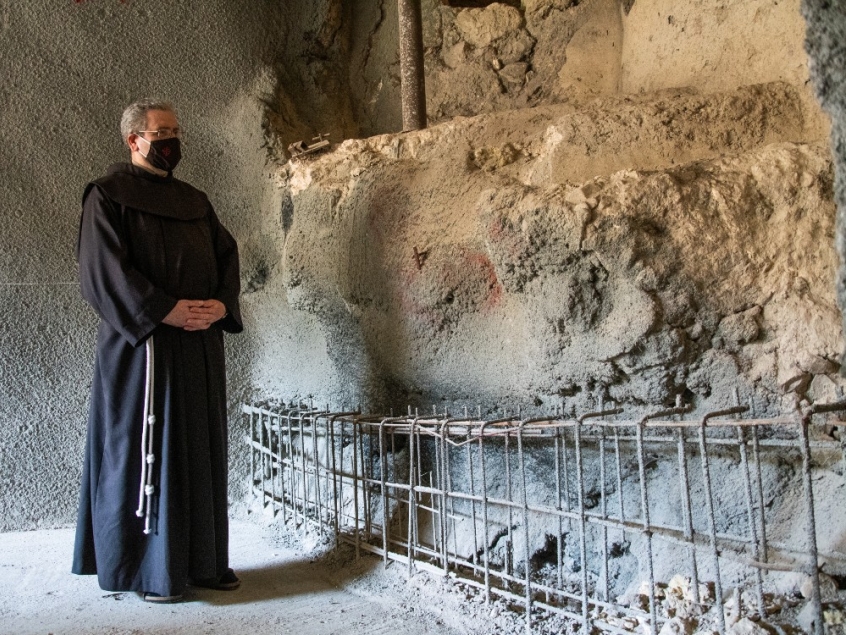
A ritual bath dating to the time of Jesus has been unearthed at Gethsemane, the place where Jesus prayed just before his Crucifixion.
The 2,000-year-old bath was found near the site of the famous modern-day Church of All Nations. It marks the first time that Second Temple period remains have been found at the site.
Excavators also found the remains of a previously unknown Byzantine period church dating back 1,500 years.
The remains were uncovered by workmen building a new visitor centre and foot tunnel linking the modern church to the Kidron Valley. The finds from the excavations are to be put on display at the visitor centre when it opens.
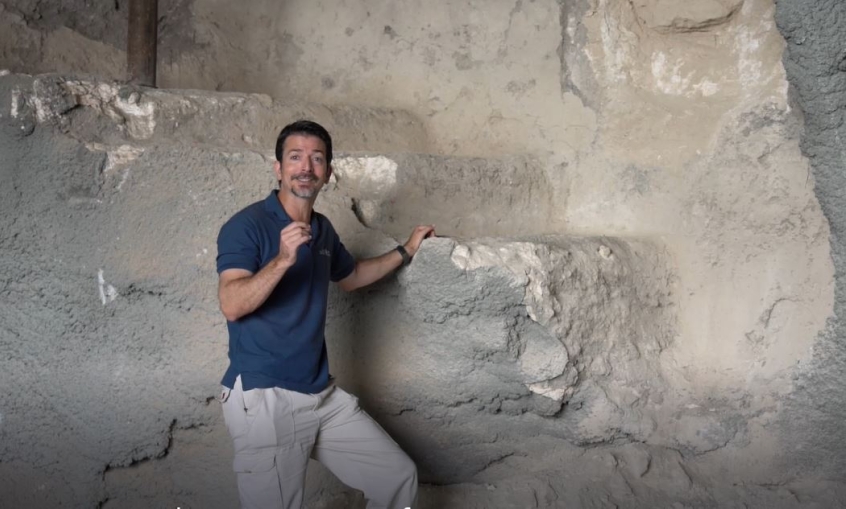
Amit Re'em, Jerusalem District Archaeologist for the Israel Antiquities Authority, said the discovery of the ritual bath "probably confirms the place's ancient name, Gethsemane".
"Most ritual baths from the Second Temple period have been found in private homes and public buildings, but some have been discovered near agricultural installations and tombs, in which case the ritual bath is located in the open," he said.
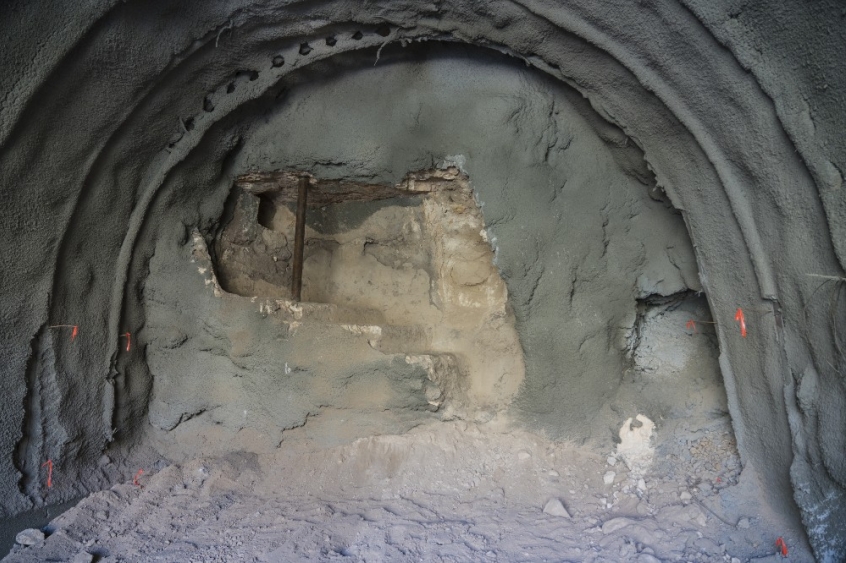
"The discovery of this bath, unaccompanied by buildings, probably attests to the existence of an agricultural industry here 2,000 years ago – possibly producing oil or wine. The Jewish laws of purification obliged workers involved in oil and wine production to purify themselves.
"The discovery of the ritual bath may therefore hint at the origin of the place's ancient name, Gethsemane (Gat Shemanim, 'oil press'), a place where ritually pure oil was produced near the city."
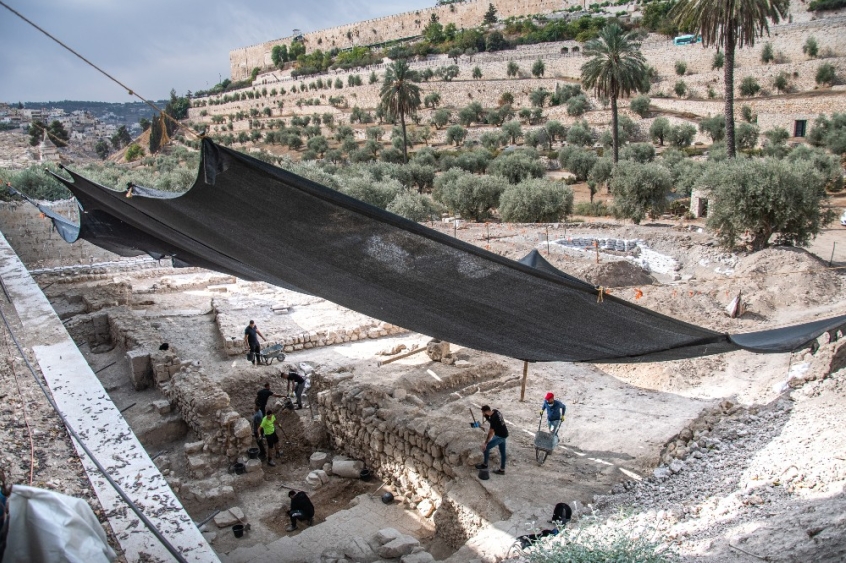
The evidence suggests the ancient church was founded at the end of the Byzantine period in the sixth century and continued to be used during the Umayyad period in the eighth century.
Reflecting its importance, the excavations uncovered finely carved stone elements. There were also Greek inscriptions on the church floor.
One of these inscriptions, deciphered by Dr Leah Di Segni of the Hebrew University of Jerusalem and Dr Rosario Pierri of the Franciscan Institute reads, "for the memory and repose of the lovers of Christ (cross) God who have received the sacrifice of Abraham, accept the offering of your servants and give them remission of sins. (cross) Amen."
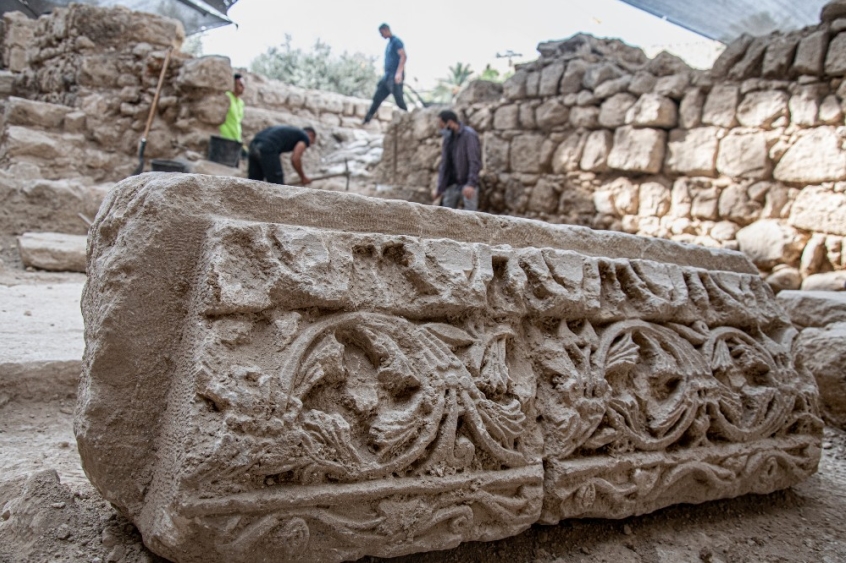
One of the lead excavators, David Yeger, added, "It is interesting to see that the church was being used, and may even have been founded, at the time when Jerusalem was under Muslim rule, showing that Christian pilgrimages to Jerusalem continued during this period as well."
Custos of the Holy Land, Fr Francesco Patton, said it was an "important" discovery.
"Gethsemane is one of the most important sanctuaries in the Holy Land, because in this place the tradition remembers the confident prayer of Jesus and his betrayal and because every year millions of pilgrims visit and pray in this place," he said.
"Even the latest excavations conducted on this site have confirmed the antiquity of the Christian memory and tradition linked to the place, and this is very important for us and for the spiritual meaning connected with the archeological findings.
"I greet with great pleasure this fruitful cooperation between the Custody of the Holy Land, the Studium Biblicum Franciscanum and the Israel Antiquities Authority and I hope that we will be able to join our scientific competences for further future collaborations."