Archaeologists in Israel have discovered a 2,000 year old stone vessel workshop with possible links to the Gospel story of Jesus and the wedding at Cana. The finding also provides new evidence about the centrality of ritual purity to Galilean Jews in the time of Christ.
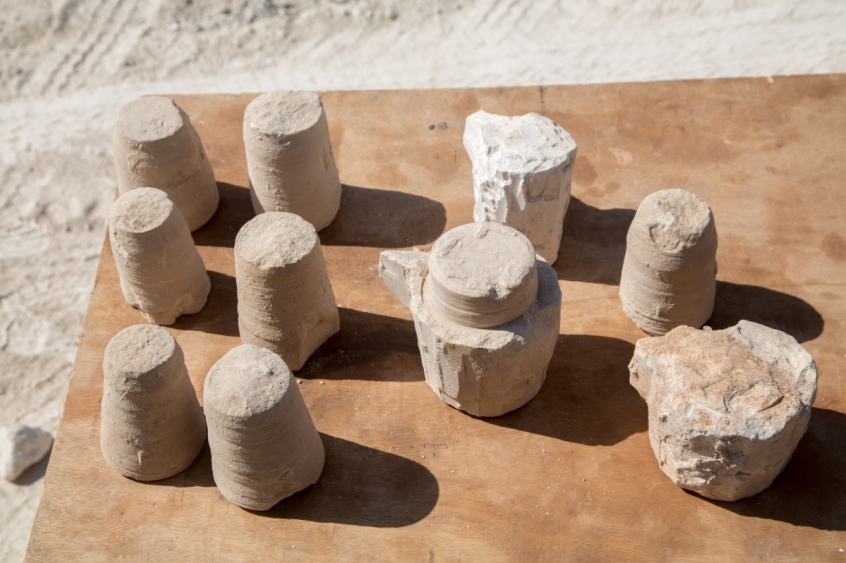
The quarry for producing chalkstone containers dating back to the Roman era is currently being excavated at Reina in Lower Galilee, by the Israel Antiquities Authority (IAA). In this small cave archaeologists have uncovered thousands of chalkstone vessels such as mugs and bowls in varying stages of production.
The IAA director of the excavations, Dr Yonatan Adler, said: 'In ancient times, most tableware, cooking pots and storage jars were made of pottery. In the first century of the Common Era, however, Jews throughout Judea and Galilee also used tableware and storage vessels made of soft, local chalkstone'.
The choice of chalkstone was apparently a religious one, centred on the idea of Jewish ritual purity. Adler said: 'According to ancient Jewish ritual law, vessels made of pottery are easily made impure and must be broken. Stone, on the other hand, was thought to be a material which can never become ritually impure, and as a result ancient Jews began to produce some of their everyday tableware from stone.
'Although chalkstone vessels are well known at many Jewish sites throughout the country, it is extremely unusual to uncover a site where such vessels where actually produced.'
He added: 'Our excavations are highlighting the pivotal role of ritual purity observance not only in Jerusalem but in far-off Galilee as well'.
The use of stone vessels is noted across historical sources from the era, not least the Gospel of John. In the story of the wedding at Cana, where Christ famously turned water into wine, John writes: 'Now there were six stone water jars set there for the Jewish custom of purification, containing 20 or 20 gallons each' (John 2:6).
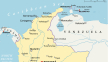
The Reina excavations are just south of the modern village of Kafr Kanna, which many scholars locate as modern-day Cana. IAA archaeologist and Roman Galilee expert Yardenna Alexandre enthused about the 'unprecedented opportunity' at the site. She said: 'It is possible that large stone containers of the type mentioned in the Wedding at Cana of Galilee story may have been produced locally in Galilee.'