The room where Thomas Jefferson, one of America's founding fathers, kept the slave woman who bore him six children has been identified in his mansion and is being restored.
Jefferson (1743-1826) as one of the signatories to the Declaration of Independence on July 4, 1776, and is revered as a great statesman.
However, rumours of his relationship with Sally Hemings (1773-1835) circulated during his lifetime and were apparently confirmed by a 1998 DNA study that showed links between Hemings' male descendants with descendants of the Jefferson family. Most historians and the Thomas Jefferson Foundation believe the story to be true.
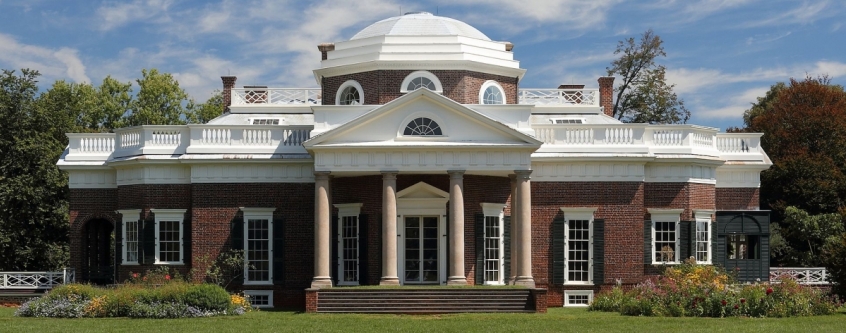
Sally Hemings was largely written out of Jefferson's story and the room was turned into a lavatory for tourists visiting his Monticello manson in 1941. But historians have analysed a description of the room by one of Jefferson's grandsons and concluded it was the same one. Archaeologists found a hearth and fireplace and even the original flooring.
The room was 14 feet by 13 feet and was next to Jefferson's own room. However, it had no windows and may have been damp.
Historians believe the six children Hemings bore to Jefferson may have been born there.
Jefferson kept them as slaves until they were adults, whereupon he freed them one by one.
There are no portraits of Sally Hemings, but an enslaved blacksmith named Isaac Granger Jefferson said she was 'might near white...very handsome, long straight hair down her back'.
While Jefferson is revered for his role as America's third president, the fact that he owned slaves casts a shadow over his legacy.
Monticello's Community Engagement Officer, Gayle Jessup White, descends from both the Hemings and Jefferson families - Sally Hemings was White's great-great-great-great aunt.
She told NBC News: 'As an African American descendant, I have mixed feelings – Thomas Jefferson was a slave holder.'