
In an address to the Church of England’s General Synod on Monday, the International Development Secretary said he had seen for himself the “wonderful work” being done by faith communities in areas such as health and education in different parts of the world.
He acknowledged the role of the Kenyan church and archbishop in resolving recent outbreaks of conflict there, and the church in Sudan for its part in the success of the referendum on independence for the South last month.
“The role of the church is absolutely pivotal in delivering these results on the ground,” he said.
In spite of the tough economic outlook, Mr Mitchell said the Government was standing by its pledge to commit 0.7% of GDP to international development from 2013.
“We would not seek to balance the books on the backs of the poorest people in the world,” he said.
He said this generation had the potential to do more for international development than previous generations as he spelled out the Government’s focus in the coming years on conflict prevention, access to education, and wealth generation.
Mr Mitchell said it was “morally right” to continue to support international development but acknowledged that people would measure whether the expense was justified according to the results that are achieved on the ground.
“Our generations can do so much in this area that has been denied in so many generations before. I don’t think it’s an exaggeration to say that in 100 years time, people will look back on our generation in much the same way that we look back on the abolition of the slave trade, with such incredulity and astonishment that so many children die every day in our world from diseases that we have the power to prevent,” he said.
“[Our generation has] the ability to make a huge difference to the colossal discrepancies of opportunity and wealth that exist in our world today.”
Mr Mitchell affirmed the commitment of the Government to working with the church and wider faith community in achieving its development goals.
A steering group has been set up with leaders of faith communities to explore possible areas of partnership.
He said: “I hope over the coming months we can engage in this area, looking at the work we can do together, and how the taxpayer’s support can be brought to the assistance of the brilliant work that’s going on on the ground.”
40% OFF

AZDOME GS63Pro 4K Dash Cam: 40% Off - Ultimate Driving Companion
$47.99 $79.99
52% OFF
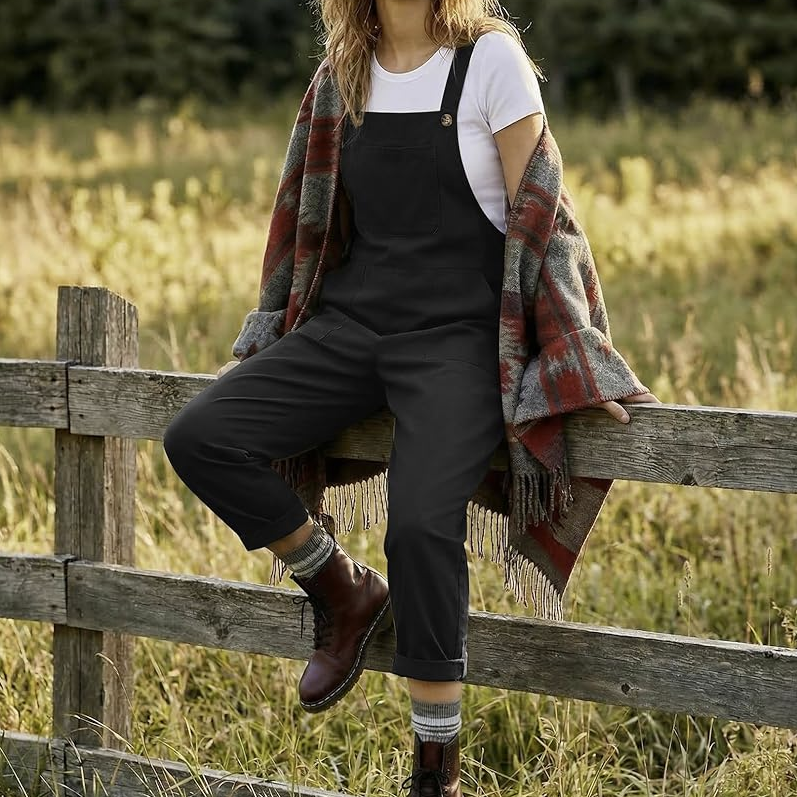
Ekouaer Baggy Bib Overalls for Women - Loose Fit Jumpsuit with Adjustable Straps & 5 Pockets
$12 $24.99
60% OFF

Ekouaer Women's Satin Silky Pajama Set - Short Sleeve Pullover Top & Wide-Leg Pants
$13.99 $34.99
20% OFF

LIVOWALNY 200W Power Inverter for DeWALT 20V Battery - Portable 110V AC Outlet & USB-C Station
$23.89 $29.99
40% OFF

ANCHEER 38'' Toddler Trampoline - 150lb Capacity Foldable Mini Trampoline with Adjustable Handle
$47.99 $79.99
55% OFF

Ekouaer 3-Piece Maternity & Nursing Pajamas Set - Short Sleeve Top with Shorts and Pants
$14.99 $32.99

Gardner Pet 43" Heavy Duty Dog Crate with Wheels - Indestructible Folding Metal Cage (Black)
$0 $149.99
12% OFF

Elegant Mid-Century Modern Bar Stools - Set of 4
$395.99 $449.99
23% OFF

Ergonomic Office Chair - Big and Tall Desk Chair with Adjustable Lumbar Support
$279.99 $363.99
26% OFF

Magnelex American Flag Windshield Sun Shade - High-Resolution UV Reflective Heat Shield (X-Large)
$19.9 $26.9




-

'Dark day' as retired pastor is convicted for preaching John 3:16 near abortion facilities
-

Understanding the reasons for the conviction of Päivi Räsänen
-

Report warns of continued anti-Christian hostility across Europe during April
-
Christians petition for protection of pastors in Colombia following murders
-

Church of England leaders must do more to support British Jews
-
Pastor Greg Locke's 20-year-old son dies from drug overdose
Most Popular
News
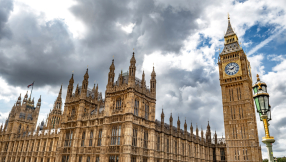
Let’s encourage our churches to support and pray for their elected representatives
Last week’s elections confirm that people have lost trust in both the system and the politicians - and the fragmentation that exists in British politics.
Church of England celebrates continued post-pandemic growth
The Church said it was encouraged by five years in a row of growth while acknowledging that growth, attendance and participation remain below pre-pandemic levels.
Christians among main victims of Islamist violence in eastern DRC
Christians in eastern Democratic Republic of Congo (DRC) are facing escalating violence from an Islamic State-linked militant group accused of massacres, abductions and systematic terror attacks across villages and churches, according to a major new Amnesty International report.

World Cup 2026 mission campaign aims to mobilise 10,000 churches
Evangelism and discipleship ministry Cru is hoping to mobilise 10,000 churches to spread the gospel during this summer’s World Cup taking place in the US, Canada and Mexico.
AZDOME GS63Pro 4K Dash Cam: 40% Off - Ultimate Driving Companion
$47.99
Ekouaer Baggy Bib Overalls for Women - Loose Fit Jumpsuit with Adjustable Straps & 5 Pockets
$12
Ekouaer Women's Satin Silky Pajama Set - Short Sleeve Pullover Top & Wide-Leg Pants
$13.99
LIVOWALNY 200W Power Inverter for DeWALT 20V Battery - Portable 110V AC Outlet & USB-C Station
$23.89
ANCHEER 38'' Toddler Trampoline - 150lb Capacity Foldable Mini Trampoline with Adjustable Handle
$47.99
Ekouaer 3-Piece Maternity & Nursing Pajamas Set - Short Sleeve Top with Shorts and Pants
$14.99
Gardner Pet 43" Heavy Duty Dog Crate with Wheels - Indestructible Folding Metal Cage (Black)
$0
Elegant Mid-Century Modern Bar Stools - Set of 4
$395.99
Ergonomic Office Chair - Big and Tall Desk Chair with Adjustable Lumbar Support
$279.99
Magnelex American Flag Windshield Sun Shade - High-Resolution UV Reflective Heat Shield (X-Large)
$19.9