
|PIC1|The inspiring film about slave trade abolitionist William Wilberforce, Amazing Grace, premiered in London yesterday. General release is on March 23 across more than 200 screens.
In the US, Amazing Grace, which launched in February, has already grossed more than $10m at the box office, with more cinemas requesting to show the new film.
"About 100 new theatres have now asked to show the film and we hope to be able to meet that demand," said a spokesperson for Bristol Bay Productions, makers of the film. "There have been truly exceptional attendances in cities like Los Angeles, Seattle, Dallas, Las Vegas, San Francisco and Washington DC."
"The campaign to end the British slave trade happened more than 200 years ago but Wilberforce is still a revered figure, internationally," explained May-Lynn Chang of Bristol Bay Productions. "We have seen similar enthusiasm from private screenings in the UK and Wilberforce is much better known on this side of the Atlantic. We would be enormously encouraged to see whole churches come out in force on the first few days of release, as they have in the US."
William Wilberforce was elected to the House of Commons as MP for Hull when only 21 and dedicated his life to the reformation of manners in order to build a just and fair society.
He advocated prison reform, better hospital care, improving conditions for the poor and other areas of social reform, but his passion was to abolish slavery in all its forms. In 1807 the Commons voted to abolish the slave trade throughout the British Empire, but it was not until 1833 that total abolition was achieved.
Three days after this latter event, in July 1833, Wilberforce died. The hymn 'Amazing Grace' from which the movie derives its title, stands as the personal testimony of John Newton, a former slave trader who had a dramatic conversion to Christianity. Wilberforce and Newton met on several occasions and Wilberforce used the words of Newton's hymn to prick the conscience of influential members of the Commons and the Lords to support the Anti-Slavery Bill. John Newton died the same year as the bill passed into law in 1807.
Numerous events are continuing across the UK to celebrate the 200th year since the abolition of the slave trade across the British Empire. Shadow Foreign Secretary William Hague and Alan Johnson, the Secretary of State for Education and Skills, have invited fellow MPs to a special parliamentary screening of the film.
The Archbishop of Canterbury, Dr Rowan Williams, also previously delivered an unconditional apology for the Church of England's role in the slave trade. He will lead a major Service of Reconciliation in Westminster Abbey on March 27.
In addition, hundreds of churches across the UK will sing the hymn 'Amazing Grace' on Amazing Grace Sunday, which has been set for March 25, 2007. For more information please visit: www.amazinggracesunday.com.
-

New study casts doubt on talk of religious revival in US
-

Evangelicals 'need prayers' after Church in Wales votes to make same-sex blessings permanent
-

Christians in UK feel free to worship but sense growing cultural pressure - report
-

SNP 'conversion therapy' ban would be 'fundamentally illiberal'
News
-

Christian reactions to Trump's AI 'Jesus' image
-

Pastor charged after man dies during paddling pool baptism
-

Trump's AI 'Jesus' blunder
-

Evangelicals 'need prayers' after Church in Wales votes to make same-sex blessings permanent
-

Trump deletes Christ-like AI image after backlash
-

Young men are demoralised, not apathetic, says report
Most Popular
related articles
Artists Raise Their Voices to Abolish Modern Day Slavery
Artists Raise Their Voices to Abolish Modern Day Slavery
Bristol Joins Slave Trade Commemorations on Amazing Grace Sunday
Bristol Joins Slave Trade Commemorations on Amazing Grace Sunday
Amazing Grace Breaks $10Million
Amazing Grace Breaks $10Million
News
SNP 'conversion therapy' ban would be 'fundamentally illiberal'
SNP support has dropped, but they are still the frontrunners for next month's elections.
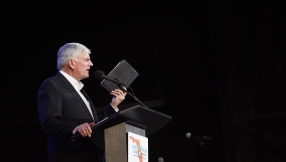
Franklin Graham pushes back against Pope's war comments amid war of words with Trump
Graham told Piers Morgan that while he did not want or support war, there was justification for it "when you're fighting evil".
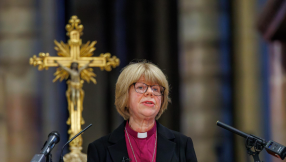
Archbishop of Canterbury joins Pope in call for peace
The Pope has been outspoken against the latest war in the Middle East.

Church warden murder conviction quashed as Court of Appeal orders retrial
The Court of Appeal has overturned the murder conviction of Benjamin Field, the former church warden jailed in 2019 for the death of university lecturer Peter Farquhar, in a significant ruling that reopens one of the UK’s most complex criminal cases.