
Aid agencies have expressed concern at the failure of the G8 leaders to make significant moves forward on climate change.
Talks on how to reduce greenhouse gases dominated the second day of the summit in Japan Wednesday.
The world's leaders did little more than re-state agreements made at last year's summit in Germany. Last year, the G8 leaders agreed to "seriously consider" carbon emissions cuts of at least 50 per cent by 2050.
This year the leaders of the world's eight richest countries - Britain, France, Germany, Italy, Russia, Canada, Japan and the US - agreed only to "consider and adopt the goal of achieving at least 50 per cent reductions in global emissions by 2050".
Campaigners had hoped for interim cuts in carbon emissions that they believed would show a commitment to combat global warming.
Oxfam said that the outcome "could leave us with a 50/50 chance of a climate meltdown".
"Rather than a breakthrough, the G8's announcement on 2050 is another stalling tactic that does nothing to lower the risk faced by millions of poor people right now."
Calling the statement "very disappointing", Tearfund's Peter Grant said, "To do little more than re-state last year's G8 commitment to halve emissions by 2050 is a very disappointing outcome, demonstrating a lack of leadership and vision.
"The science is telling us that merely halving emissions is no longer enough."
Friends of the Earth slammed the climate change communiqué, calling it "totally inadequate". The G8 had shown "total disregard for their own responsibilities towards the rest of the world", said spokesperson Karen Orenstein.
There was less criticism over the G8's announcement about increasing aid. It followed a meeting between summit heads and seven African leaders on Monday.
On Wednesday, the G8 agreed to fulfil its promise - made at the Gleneagles summit in 2005 - to increase aid by $50 billion a year by 2010. Half of this will be to Africa.
Grant said, "No extra commitments were needed from the G8 on aid. But with only two years to meet this target, an extraordinary effort is required to deliver on existing promises.
"High food and fuel process are crippling for those who already live a hand-to-mouth existence. This is not the time to step away from hard fought commitments to help the world's poorest people."
Aid agencies claim that G8 countries are likely to fail to meet their targets for aid by as much as $30 billion.
The long-term campaigner, Sir Bob Geldof, endorsed this view. Speaking at the summit, he said, "This is the halfway point to 2010, which is when the Gleneagles promise comes up, and they should be 50 per cent of the way there, but in fact they are 14 per cent of the way there."
60% OFF
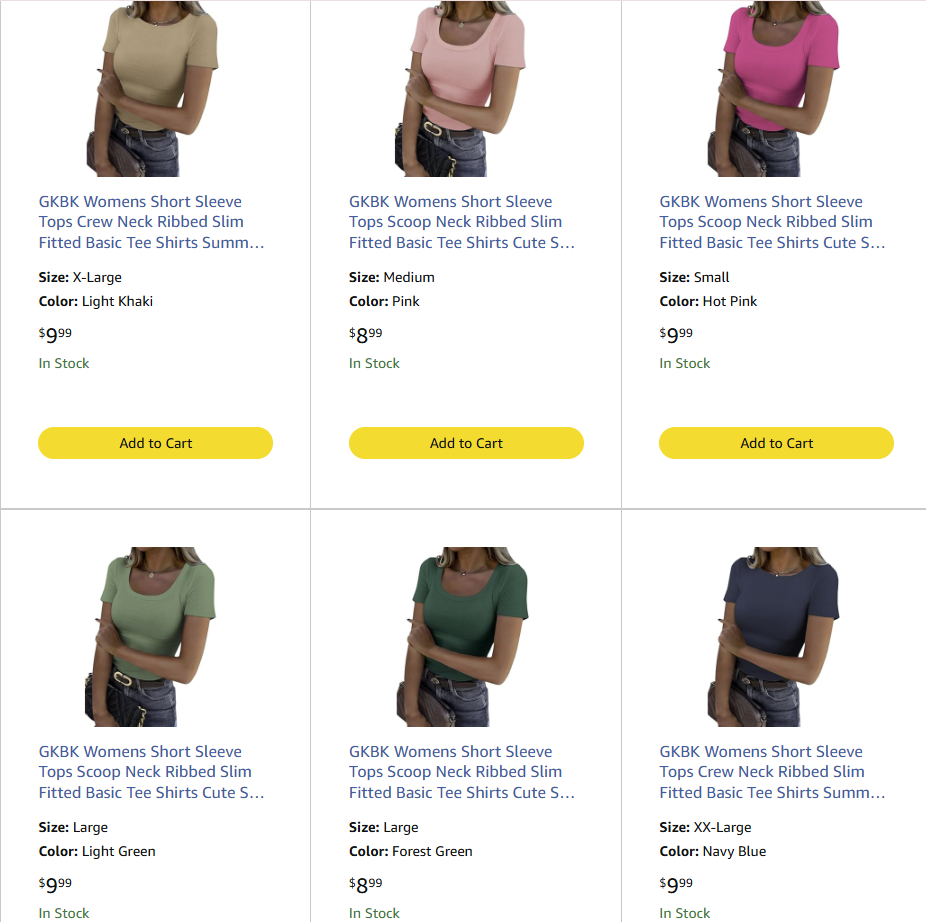
GKBK Women’s Ribbed Short Sleeve Scoop Neck Slim Fit Tee – Stretchy Basic Summer Top 2026 Trendy Outfit Essential
$4 $9.99
75% OFF

Bluetooth Smart Scale for Body Weight - 13 Health Metrics with BMI and Muscle Mass (Black)
$19.99 $79.96
40% OFF

AZDOME GS63Pro 4K Dash Cam: 40% Off - Ultimate Driving Companion
$47.99 $79.99
60% OFF

Ekouaer Women's Satin Silky Pajama Set - Short Sleeve Pullover Top & Wide-Leg Pants
$13.99 $34.99
40% OFF

ANCHEER 38'' Toddler Trampoline - 150lb Capacity Foldable Mini Trampoline with Adjustable Handle
$47.99 $79.99
55% OFF

Ekouaer 3-Piece Maternity & Nursing Pajamas Set - Short Sleeve Top with Shorts and Pants
$14.99 $32.99
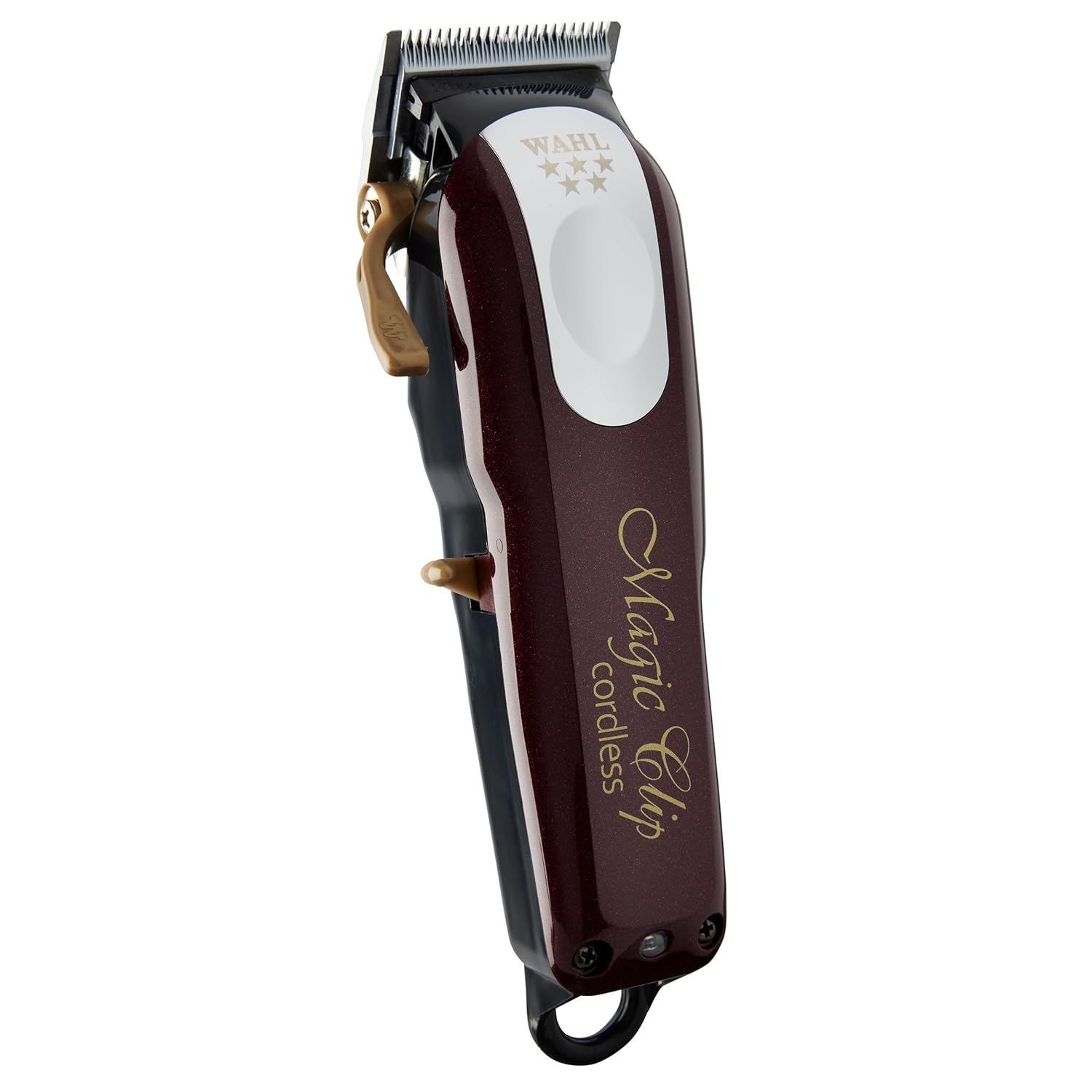
Wahl Professional 5 Star Series Magic Clip Cordless Clipper - Stagger-Tooth Blade Hair Trimmer
$0 $139.99
10% OFF

Bekrvio Swivel Counter Height Bar Stools Set of 3 - 26" Mid Century Modern Rattan Back Stools
$223.55 $248.39

Gardner Pet 43" Heavy Duty Dog Crate with Wheels - Indestructible Folding Metal Cage (Black)
$0 $149.99
12% OFF

Elegant Mid-Century Modern Bar Stools - Set of 4
$395.99 $449.99




-

Understanding the reasons for the conviction of Päivi Räsänen
-

Report warns of continued anti-Christian hostility across Europe during April
-

Pastor Greg Locke's 20-year-old son dies from drug overdose
-

Young Christians engaging with Bible more, survey finds
-

Seismic elections in the UK – the good, the bad and the ugly
-

Jonathan Fletcher found to have indecently assaulted man
Most Popular
News

Cuban pastor's son at risk following months-long detention
The family has long been a target for Cuban authorities
IDF soldiers jailed for desecrating statue of Mary
It's not the first time IDF soldiers have been disrespectful of Christian sites.
Why did the Lord speak to Moses in the desert?
Numbers 1:1 goes: ‘And the Lord spoke to Moses in the Sinai desert.’ But why is the desert the best place to receive this teaching?

Labour presses on with controversial plans to ban 'conversion therapy'
Critics of the plans fear that ordinary Christian practices will be criminalised.
GKBK Women’s Ribbed Short Sleeve Scoop Neck Slim Fit Tee – Stretchy Basic Summer Top 2026 Trendy Outfit Essential
$4
Bluetooth Smart Scale for Body Weight - 13 Health Metrics with BMI and Muscle Mass (Black)
$19.99
AZDOME GS63Pro 4K Dash Cam: 40% Off - Ultimate Driving Companion
$47.99
Ekouaer Women's Satin Silky Pajama Set - Short Sleeve Pullover Top & Wide-Leg Pants
$13.99
ANCHEER 38'' Toddler Trampoline - 150lb Capacity Foldable Mini Trampoline with Adjustable Handle
$47.99
Ekouaer 3-Piece Maternity & Nursing Pajamas Set - Short Sleeve Top with Shorts and Pants
$14.99
Wahl Professional 5 Star Series Magic Clip Cordless Clipper - Stagger-Tooth Blade Hair Trimmer
$0
Bekrvio Swivel Counter Height Bar Stools Set of 3 - 26" Mid Century Modern Rattan Back Stools
$223.55
Gardner Pet 43" Heavy Duty Dog Crate with Wheels - Indestructible Folding Metal Cage (Black)
$0
Elegant Mid-Century Modern Bar Stools - Set of 4
$395.99