What must it feel like to win £115 million?
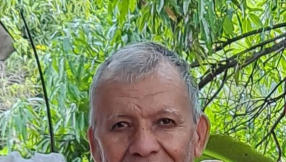
Frances and Patrick Connolly, who live in Moira, County Down, have just found out. Their EuroMillions lottery win is the biggest in Northern Ireland's history and the fourth biggest in the UK's.
Mrs Connolly told reporters that for the first 10 minutes after their win was confirmed they said nothing at all as they tried to come to terms with what it would mean. But to their great credit, the couple have since said the money will be 'fun to give away' and have a list of around 50 people who will benefit.
What they have left, however, will surely be life-changing – and not necessarily in a good way. While most lottery winners find themselves happier, not all do. Some feel aimless; some spiral into destructive behaviour; some find relationships with friends and family are broken. Big winners like the Connollys get help and advice from lottery managers, but life may not all be plain sailing.
With all the headaches as well as the pleasures that their win might bring, though, no one could begrudge them their good fortune. But wealth brings responsibilities as well as opportunities. Perhaps most of us find life easiest somewhere in the middle, with enough money not to worry too much, but not enough to do whatever we like. As Proverbs 30: 8-9 says: 'Keep falsehood and lies far from me; give me neither poverty nor riches, but give me only my daily bread. Otherwise, I may have too much and disown you and say, 'Who is the Lord?' Or I may become poor and steal, and so dishonour the name of my God.'
We don't know anything about the Connolly's faith, if any. But there are reasons why the Bible is suspicious of wealth. It's not an unmitigated good. It provides more alternatives to choose from, with more possibilities of choosing wrongly. And it creates responsibilites as well as opportunities, which have to be lived up to.
The Connollys are now ridiculously rich. But their sudden access of wealth encourages us all to question our own priorities and goals. If our thinking is purely along the lines of what luxuries we could afford for ourselves if we were to win that much, there's probably something wrong. If – as it appears to be in their case – we're thinking about who we can help, that's a much more healthy approach.
Christians, after all, believe that all we have is given to us. And as St Basil the Great said: 'When someone steals another's clothes, we call them a thief. Should we not give the same name to one who could clothe the naked and does not? The bread in your cupboard belongs to the hungry; the coat unused in your closet belongs to the one who needs it; the shoes rotting in your closet belong to the one who has no shoes; the money which you hoard up belongs to the poor.'
A little extreme, perhaps. But it does remind us of our own responsibilities to use what we have wisely and generously.
All good wishes to Frances and Patrick Connolly, and may they enjoy their good fortune. And Christians should pray for them; they'll need it.